How does a professional prepare for the Giro d’Italia?

Bikeitalia
Index
- 1.How does a professional prepare for the Giro d’Italia?
- 2.It All Starts in Winter
- 3.The Build-Up Races
- 4.The Role of Data: Measuring to Improve
- 5.The Mind: The Variable Watts Can’t Measure
- 6.What Never Changes
How does a professional prepare for the Giro d’Italia?
Twenty-one stages, more than 3,443.3 kilometres, almost a month of racing. The Giro d’Italia is not something you simply take on: it is built. And that construction starts months in advance, far from the spotlight, in high-altitude training camps where data speaks louder than words and every detail makes the difference.
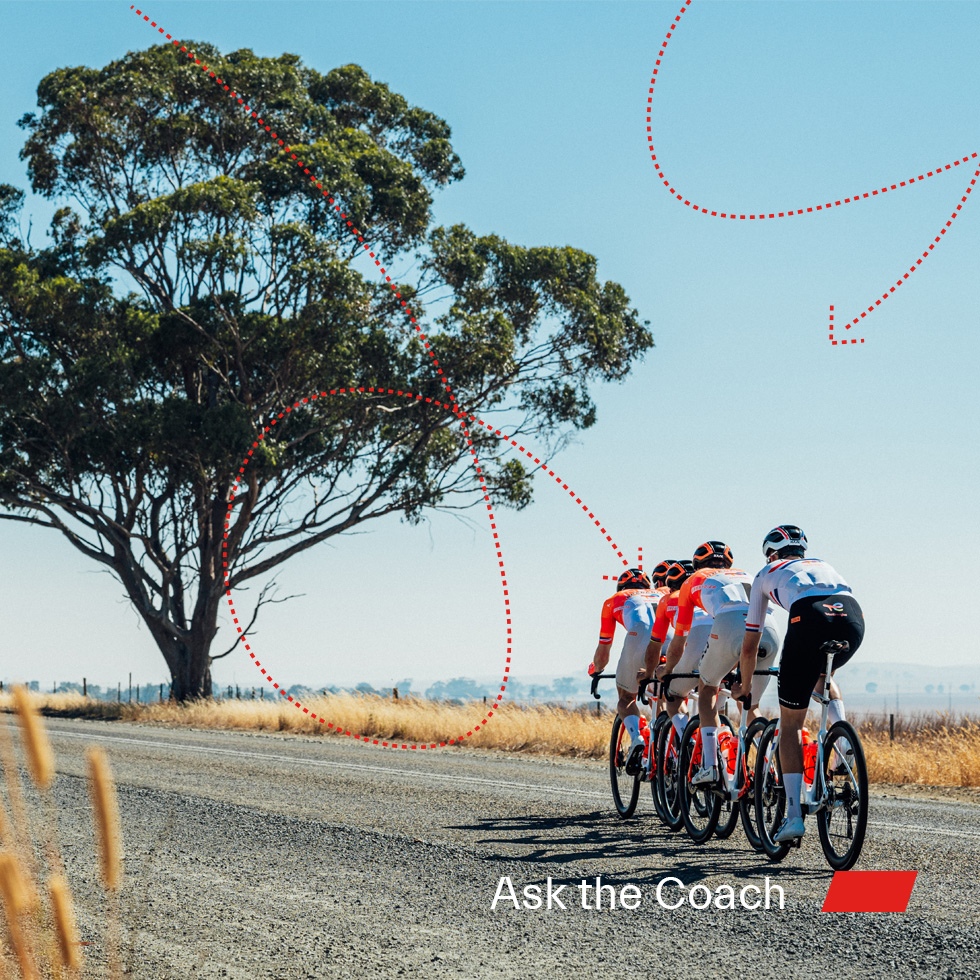
There is something almost magical about the idea of a WorldTour professional riding alone in January on a deserted road in the Canary Islands. No crowds, no cameras, no rivals. Just legs, a bike, and the numbers on the cycling computer. That’s where the Giro d’Italia is won — not only on the slopes of the Mortirolo, but in the quiet weeks that come before.
For anyone who loves cycling, at any level, understanding how a professional prepares for the most important event of the Italian season is more than simple curiosity: it’s a way of looking at your passion through different eyes.
It All Starts in Winter
A WorldTour rider’s periodisation for the Giro d’Italia begins in December, with blocks of extensive aerobic work. High volume, controlled intensity: it’s the least spectacular training, yet the most essential. This is where the foundations are laid — the base everything else will build on.
Between January and March, training progresses in clearly defined phases: first strength work in the gym, then threshold efforts, and finally VO₂max sessions. A structure known to coaches as block periodisation, which has become the standard approach at the highest levels of the sport.
The goal is to reach the Giro with form built layer by layer, never improvised.
This process is almost always combined with an altitude training camp. At high altitude, the body produces more red blood cells, improving oxygen delivery to the muscles. The benefits last for weeks — but timing is everything. Too close to the race and the body hasn’t fully absorbed the adaptations; too far in advance and the gains fade away. It’s a narrow window of opportunity, and coaches know it very well.
The Build-Up Races
In the professional peloton, the races leading up to the Giro d’Italia are never an end in themselves. They are calibration tools. The team leader lines up to measure their level of form under real competitive conditions — not just to win, but to understand, in the heat of racing, where their condition truly stands.
The Role of Data: Measuring to Improve
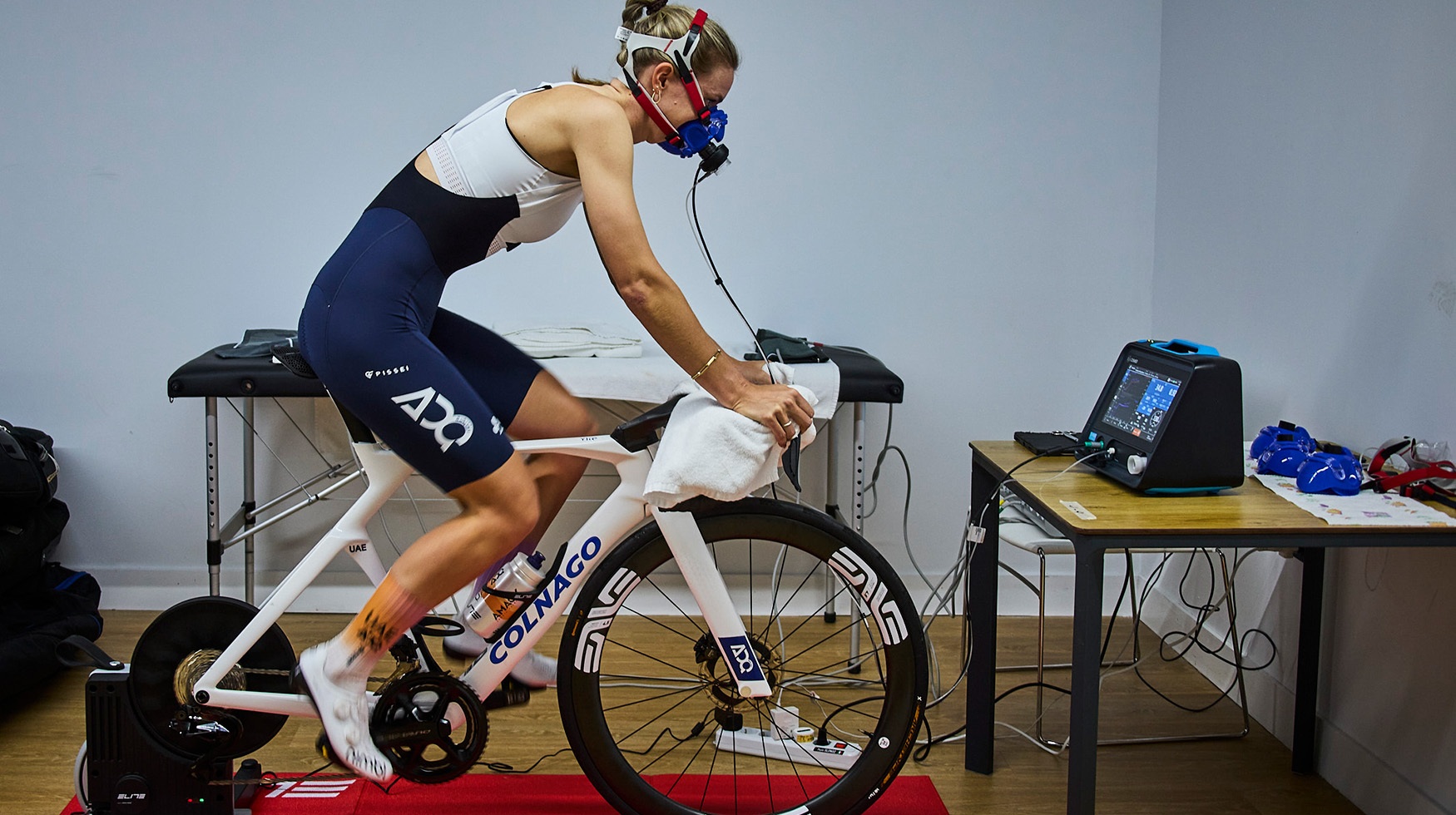
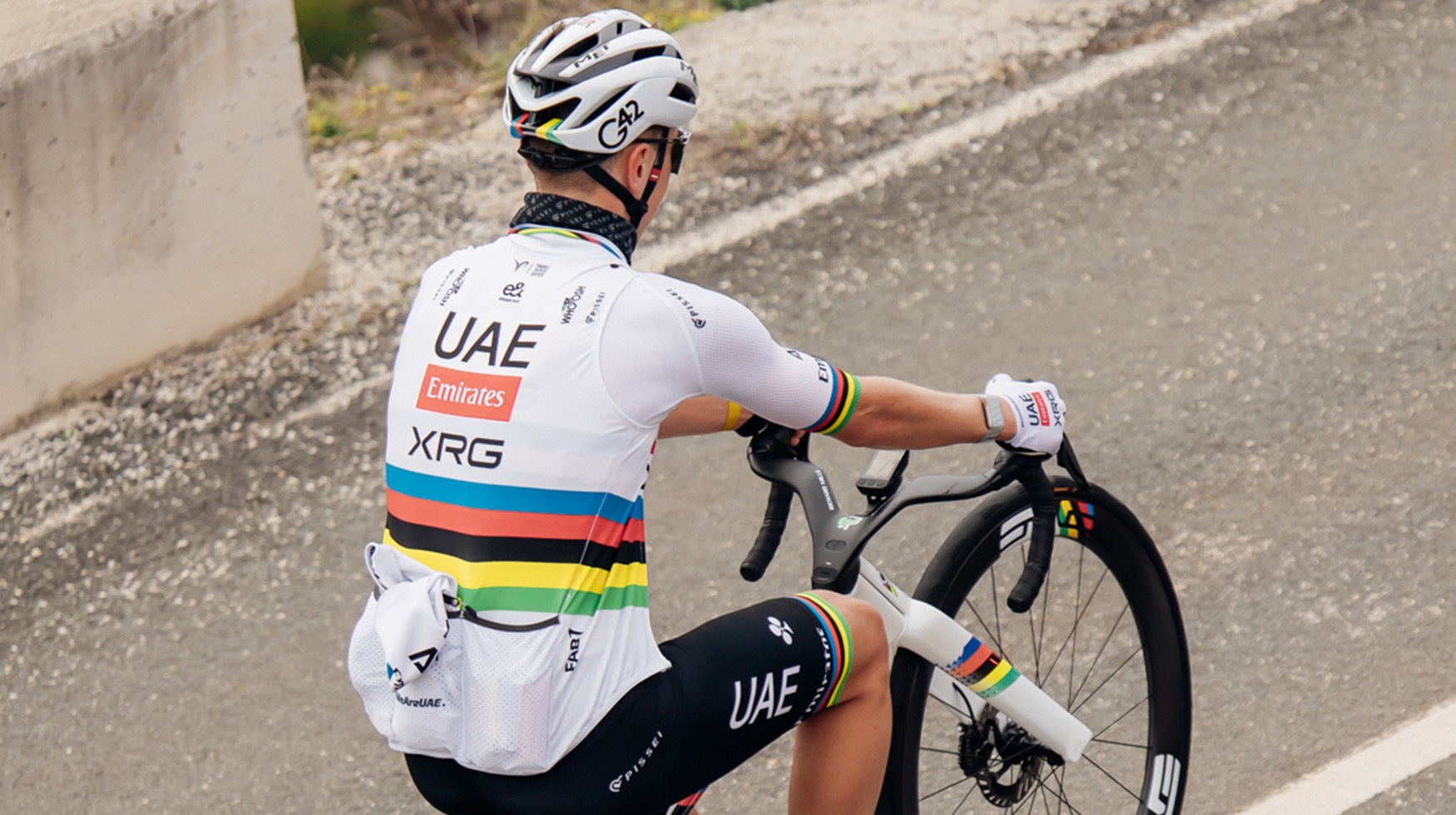
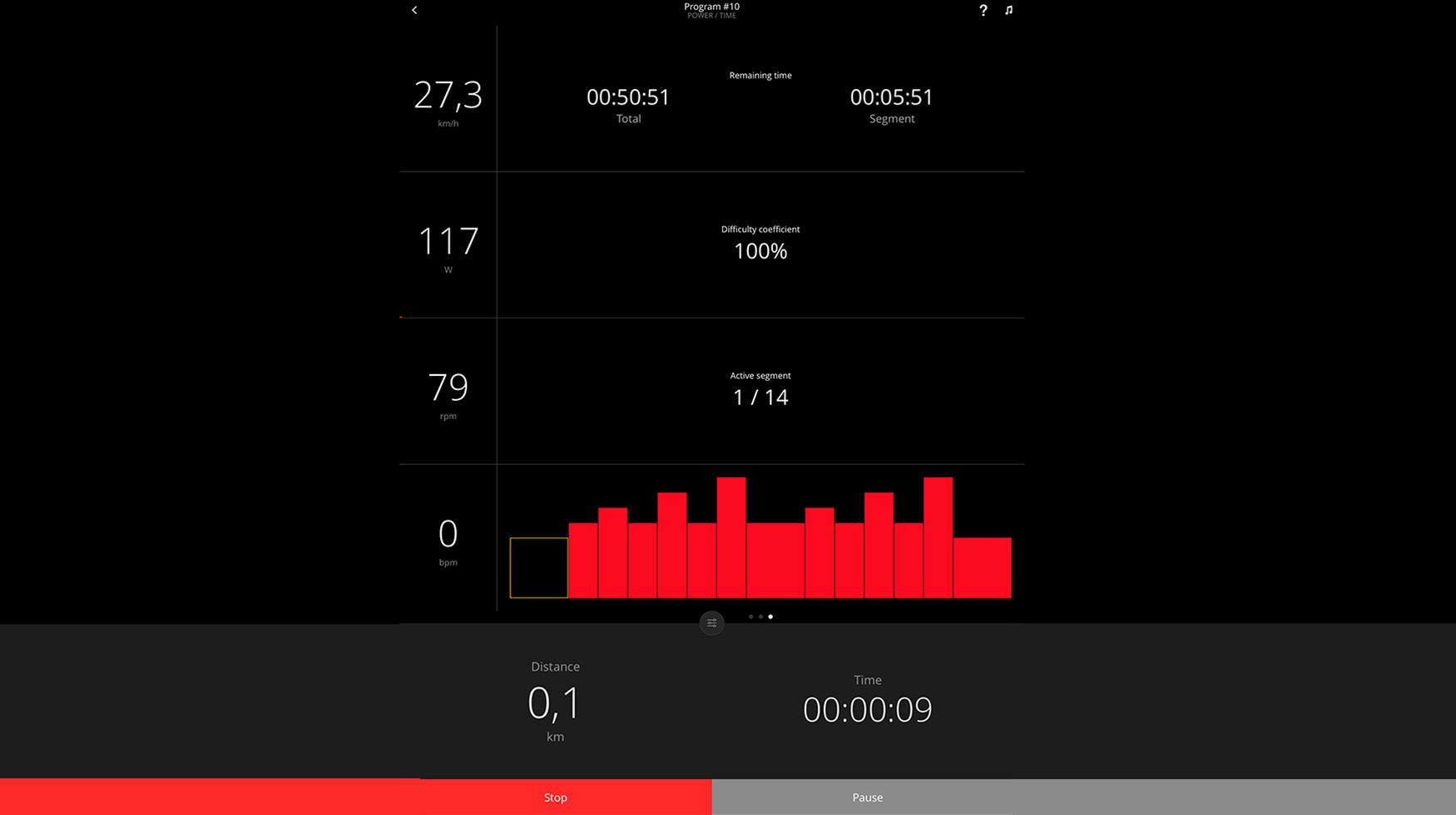
In modern professional cycling, every pedal stroke leaves a trace. Power meters are used like a black box: power output, heart rate, duration, changes in cadence. Everything is analysed, compared, interpreted.
But data alone is not enough. A coach needs to read those numbers in the context of the athlete — their history, their characteristics, and the specific moment in the season. That’s the difference between those who use numbers as a compass and those who use them as an alibi.
This data-driven culture has transformed the way anyone who takes cycling seriously approaches training.
The Mind: The Variable Watts Can’t Measure
There is one dimension of preparation that sensors cannot quantify: the psychological weight of being the team leader. Arriving at the Giro d’Italia with a target on your back, knowing that everyone is watching and analysing you, changes the way every training session, every training camp, every rest day is experienced.
Nibali’s former coach once described how Vincenzo, after winning the Tour de France, would arrive at altitude camp carrying an enormous mental load — more stressed than usual, worn down by everything a great champion has to deal with beyond the bike itself. Altitude training was not just a physiological tool; it was a space to rediscover oneself, to return to cycling as a pure act, free from expectations and external pressure.
It’s a lesson that applies to everyone, at any level. Training well doesn’t only mean producing the right watts — it also means protecting mental energy and finding the balance that truly belongs to you.
What Never Changes
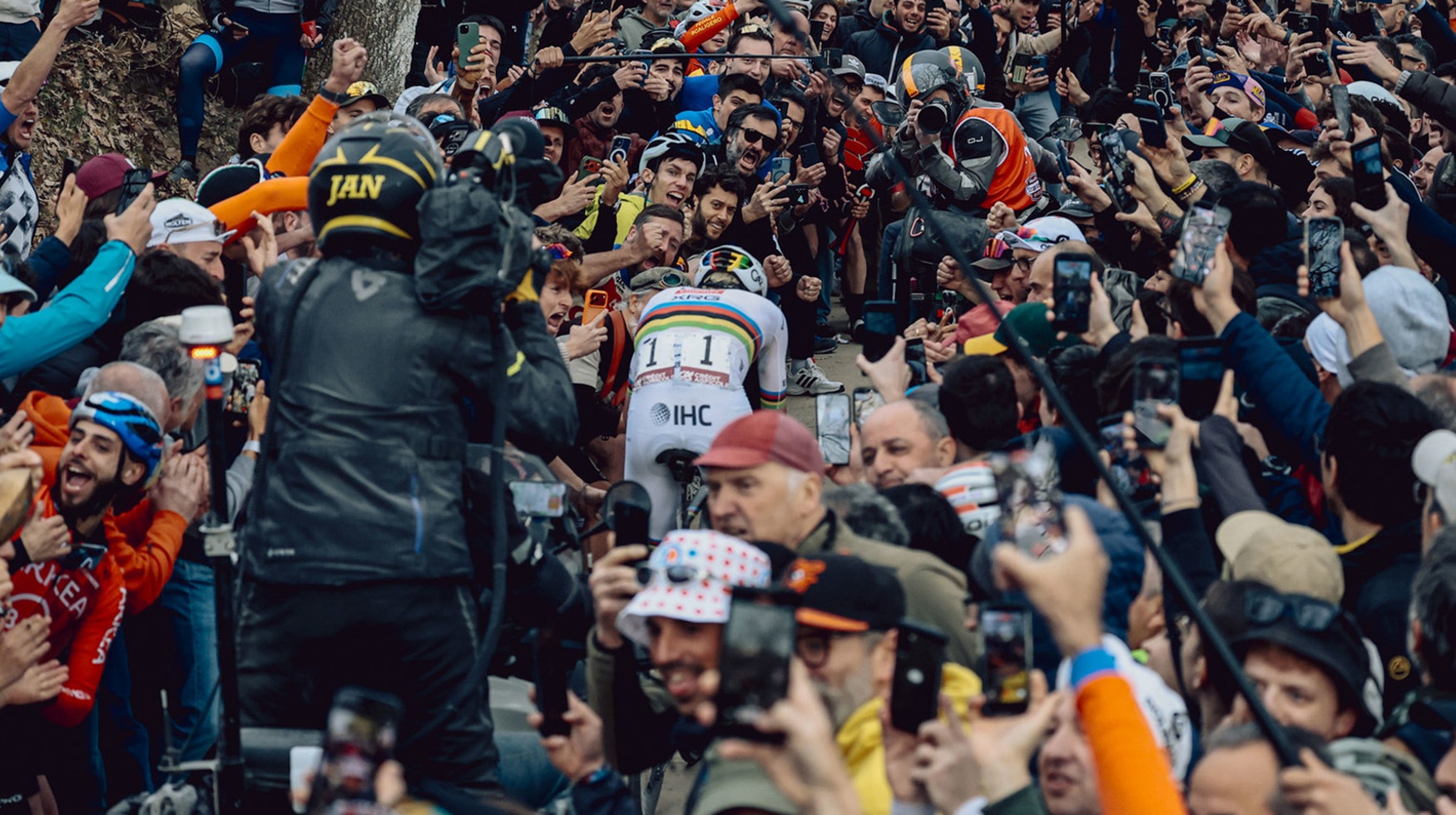
With all the technology available today — biometric data, altitude camps, wind-tunnel-tested aerodynamic skinsuits — something in the preparation for the Giro d’Italia has remained unchanged since the days of Bartali and Coppi: the need to face fatigue head-on, well in advance. To accumulate hours in the legs. To climb alone, with no shortcuts.
The Giro is won on the legs of the team leader, of course. But it is built during nights at altitude, through training blocks on deserted roads, and in the quiet discipline of those who know that three weeks of racing leave no room for poor preparation.
Those who arrive at the Grande Partenza in top form aren’t lucky. They’ve simply done their homework — all of it — better than the others.
And, in the end, that’s why cycling captivates us so deeply: because it rewards those who work with method, consistency, and respect for the process.
Whether you’re preparing for the Giro d’Italia or your next granfondo, the principle is exactly the same.
