Winter nutrition for cyclists: how to stay in shape through the coldest months
Practical advice on nutrition, hydration and nutrients to get the most out of cycling in the winter months.

Omar Gatti
Index
- 1.Winter nutrition for cyclists: how to stay in shape through the coldest months
- 2.How a cyclist's nutrition changes in winter
- 3.How to adapt a cyclist's nutrition in winter
- 4.Carbohydrates in winter cycling: how much do you need?
- 5.Healthy fats in a cyclist's diet
- 6.Hydration in winter: how much and what to drink on the bike
- 7.In short
Winter nutrition for cyclists: how to stay in shape through the coldest months
Winter is often seen as a "rest" period for cyclists, whether they keep riding outdoors or turn to indoor training and home trainers to stay in shape.
From a nutritional standpoint, though, the winter months are a strategic phase. This is when the body regenerates, the immune system gets stronger and the groundwork for next season is laid.
Well-planned nutrition helps maintain body composition, supports adaptation to base training and prevents the energy dips that typically come with this time of year.
So let's look at how to adapt a cyclist's nutrition in winter, managing calorie intake, carbohydrates, protein and fat properly, and paying close attention to hydration too.
How a cyclist's nutrition changes in winter
In winter, training changes: long rides get shorter, while strength work, indoor sessions and low-intensity training all increase. Nutrition should adapt to this new routine too, with a few clear goals:
- Restore the hormonal and immune balance disrupted by the racing season
- Maintain or build muscle mass even on reduced training volumes, something the summer months rarely leave time for
- Support adaptation to strength and aerobic endurance
- Manage body weight, avoiding gains in fat mass
The guiding principle is: feed, don't cut. Excessive calorie restriction at this time of year can compromise metabolic and hormonal function.
How to adapt a cyclist's nutrition in winter
In the winter months, the training load can drop or simply change: fewer hours outdoors, more indoor training, strength work and often a break from racing. As a result, energy needs can shift too. The goal isn't to cut calories drastically, but to adapt the quantity and composition of your meals to training days and rest days.
So let's look at the main pillars of winter nutrition, with some practical guidance on amounts and sources to prioritise.
Carbohydrates in winter cycling: how much do you need?
Even when training volume drops, carbohydrates remain the main source of energy for muscle work and play an important part in recovery too.
The amount can be adjusted to the day's load: more carbohydrates when training is long or intense, fewer when the session is easy or it's a rest day. Cutting carbohydrates too far in winter can raise the risk of illness and slow the metabolism, so the practical advice is:
- On training days: around 4–6 g of carbohydrates per kg of body weight;
- On easier days: around 3–4 g per kg, adjusting the amount to your energy expenditure.
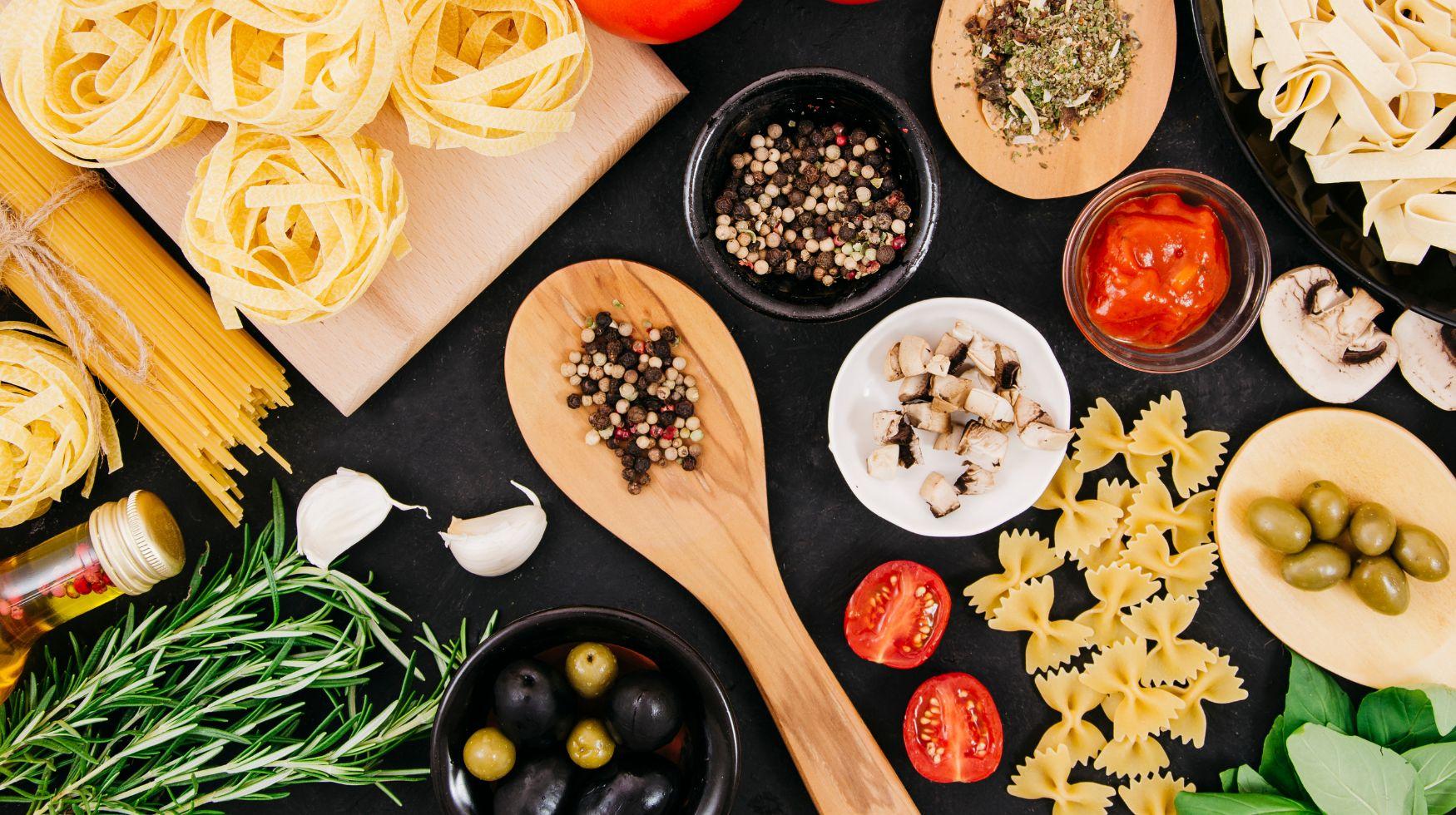
It's best to favour sources such as pasta, rice, bread, cereals, potatoes, pulses and fruit, alternating wholegrain and more easily digestible options depending on the time of day and the session ahead.
Protein: how to preserve muscle mass in winter
In winter, the focus often shifts to strength work and low-intensity aerobic endurance. An adequate protein intake helps support recovery and the maintenance of muscle mass. For anyone training regularly, a useful range is around 1.6–2.0 g of protein per kg of body weight per day, spread across the day.
Sources worth alternating:
- Fish
- Eggs
- Meat
- Milk, yoghurt and other dairy
- Pulses
- Tofu and other plant-based sources.
Rather than concentrating a lot of protein in a single meal, it helps to spread it across breakfast, lunch, dinner and any snacks, especially on training days.
Healthy fats in a cyclist's diet
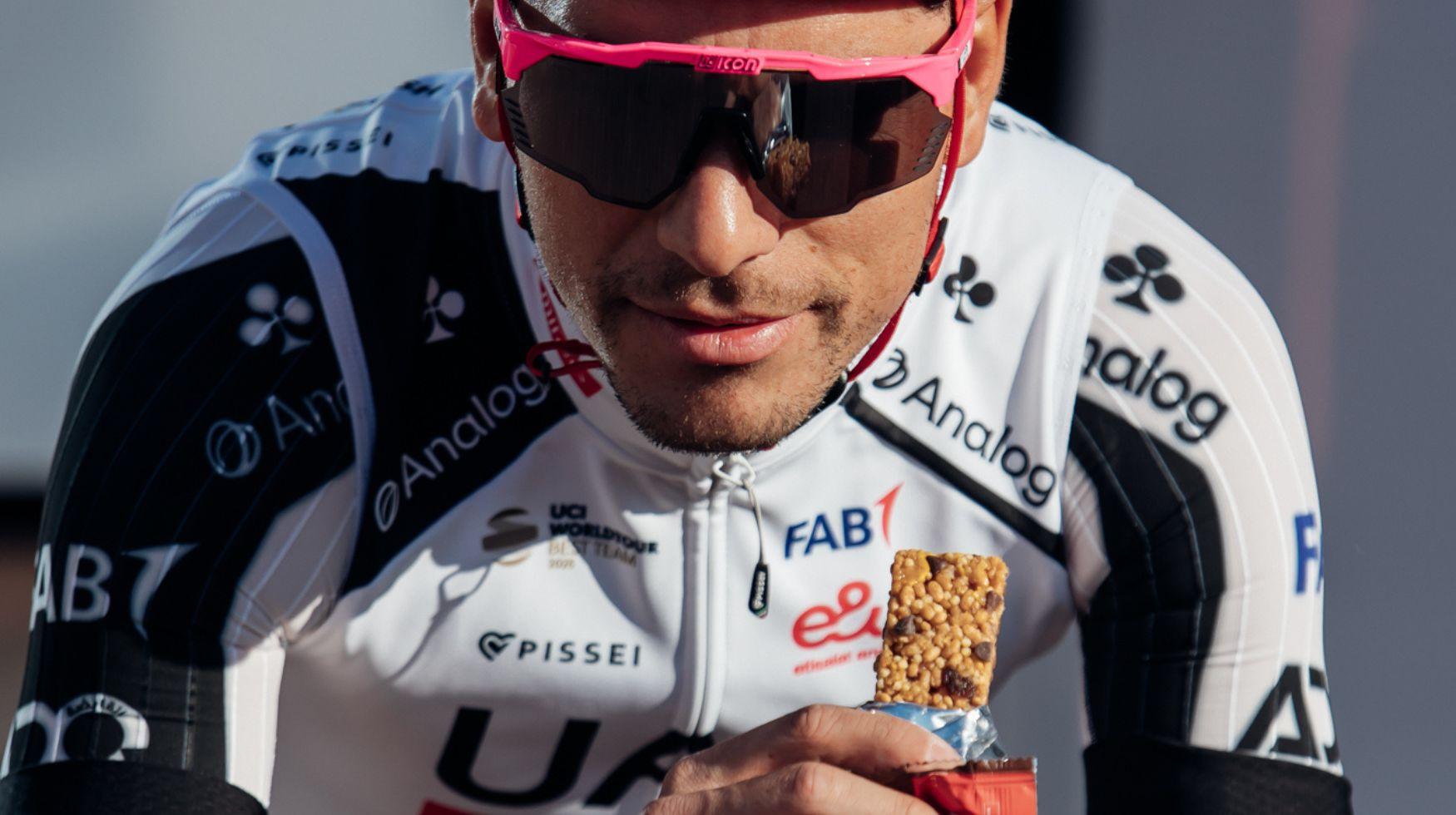
Fats are an important part of a balanced diet too and shouldn't be cut out in an attempt to reduce calories.
The priority is the quality of the sources, favouring:
- Extra virgin olive oil
- Nuts
- Seeds
- Avocado
- Oily fish.
These foods provide essential fatty acids and help cover energy needs, especially on days when carbohydrate intake is lower.
Vitamin D in winter: why it matters
Vitamin D deserves particular attention in the winter months, because reduced exposure to sunlight can lower the body's own production.
It's involved in several processes that matter to anyone doing sport, including bone health, muscle function and the normal working of the immune system.
Some dietary sources are oily fish, eggs and fortified foods, but diet alone isn't always enough to guarantee adequate levels.
Before turning to a supplement, it's therefore better to check your vitamin D levels with a blood test and discuss any supplementation with a doctor or a nutrition professional.
Hydration in winter: how much and what to drink on the bike
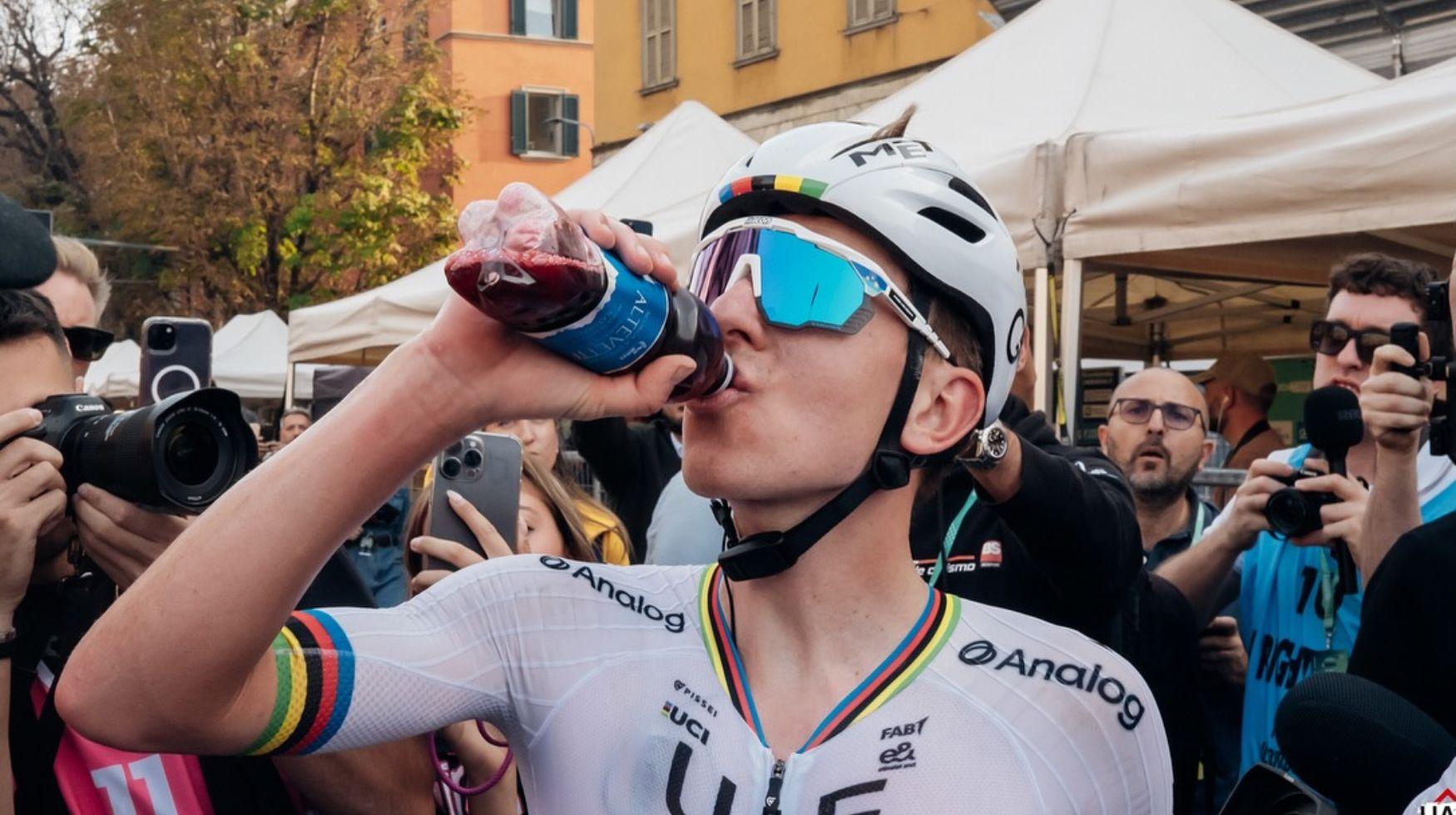
When it's cold, it's easy to pay less attention to hydration. Thirst can be less noticeable than in warmer months, but during training we still lose fluids through sweating and breathing.
That's why it's important to start well hydrated and drink regularly while you ride, adapting how much you take on to the duration and intensity of the effort and to how much you sweat.
On shorter rides, water may be enough; on longer or harder sessions it can help to add carbohydrates and electrolytes, sodium in particular.
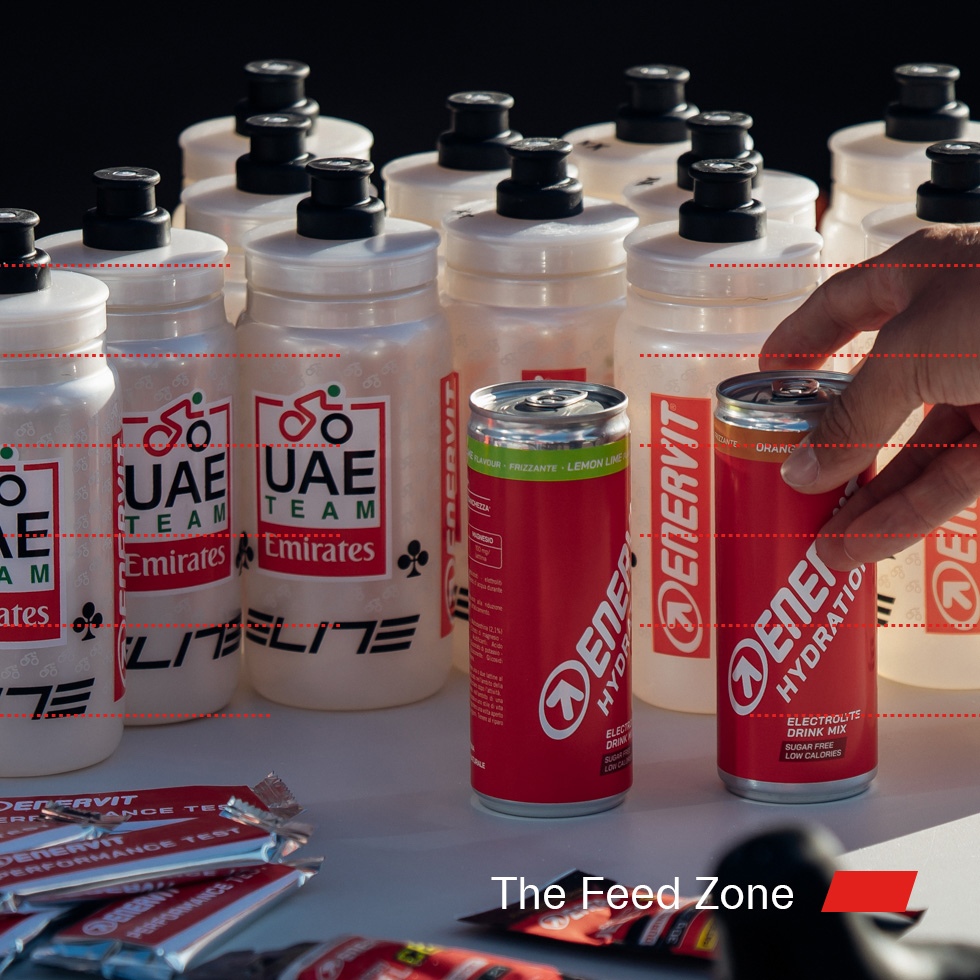
In winter, the bottle you choose can make a difference too. A thermal bottle keeps your drink at a more pleasant temperature on cold rides. Among Elite's options, Nanofly 0-100 keeps liquids hot or cold for up to 4 hours while staying light and squeezable, while Deboyo Race, in stainless steel, offers longer insulation and suits longer rides.
In short
A cyclist's winter nutrition shouldn't be underestimated: it's a strategic part of the year's preparation. This is the phase where you work on quality rather than quantity, eating to regenerate, adapt and prevent. A balanced diet, rich in micronutrients and well spread across the day, lays the ground for a strong, healthy spring season full of energy.
Winter is when you sow. Ride through it with intent, and you'll reap the rewards under the sun of the first races.