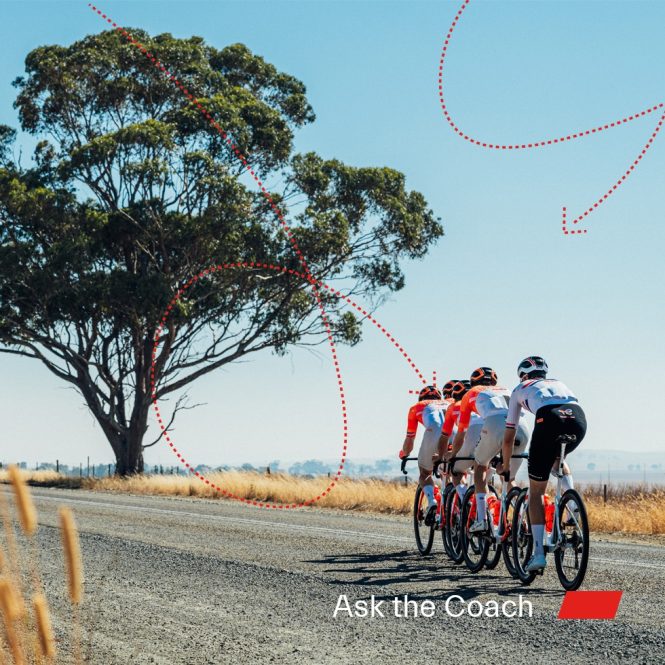
What Does a Professional Eat (and Drink) at the Giro d’Italia?

Bikeitalia

Index
- 1.What Does a Professional Eat (and Drink) at the Giro d’Italia?
- 2.The Plan Starts Weeks in Advance
- 3.During the Race: Eating Is Part of the Competition
- 4.Hydration: More Than Just Water
- 5.After the Stage: The First Minutes Matter More Than Anything
- 6.What We Can Learn from the Pros
What Does a Professional Eat (and Drink) at the Giro d’Italia?
Three weeks of racing, 21 stages, more than 3,000 kilometres. Behind every performance lies a precise nutrition plan, with no detail left to chance. Here’s how it really works.
Watching the Giro d’Italia on screen or from the roadside means witnessing athleticism in its purest form. But what remains unseen is the invisible architecture that keeps the riders going: energy management, stage after stage, hour after hour, sip after sip.
Nutrition in Grand Tours is not an operational detail. It is a discipline in its own right, with dedicated specialists, strict protocols, and one variable that is often underestimated: timing.
The Plan Starts Weeks in Advance
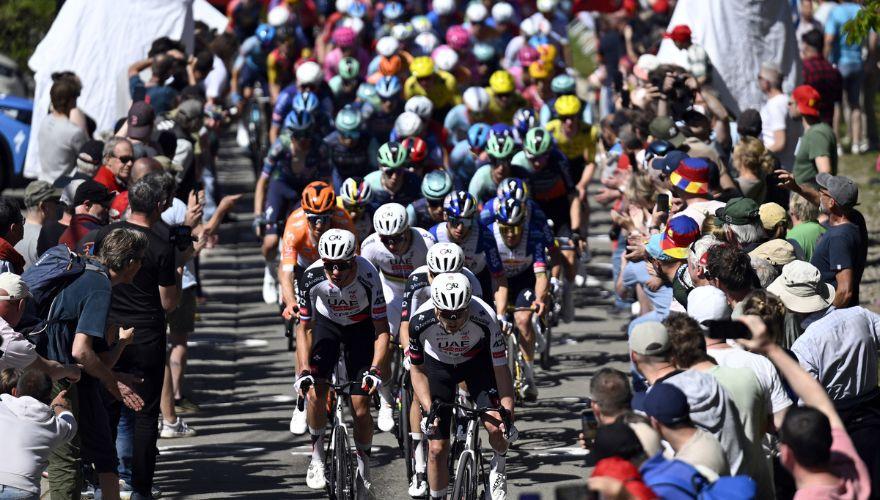
Arriving at the Giro with full glycogen stores is not something that can be improvised the day before the first stage. Team nutritionists build the dietary plan weeks ahead, carefully calibrating carbohydrate intake to the rider’s profile — climber, sprinter, time trialist — and to the role they will play in the race.
Breakfast is the first strategic checkpoint of the day. It takes place hours before the start and is now far removed from the old “plate of plain white rice”: porridge, omelettes, pancakes, bread, plus a protein-based snack closer to the start time. Not comfort food — programmed fuel.

During the Race: Eating Is Part of the Competition
In the early “transfer” phase, when the pace is still controlled, riders rely on the musettes handed up by the soigneurs: sweet and savoury sandwiches, solid foods designed to balance palatability with energy density. When the race becomes serious — when the team moves to the front or an attack goes — nutrition shifts to liquid form: gels, maltodextrin, fructose mixed into bidons.
“Cycling is a situational sport. Adverse weather, the course profile, and race dynamics can cause riders to forget to eat and drink regularly, leading to energy drops that are hard to recover from.” — Gorka Prieto-Bellver, Nutritionist, UAE Team Emirates
The ideal intake frequency is every 15 minutes from the very start of the stage. This isn’t a generic guideline: riders know it by heart, and when attention slips, it’s the sports director in the team car who steps in to remind them.
Hydration: More Than Just Water
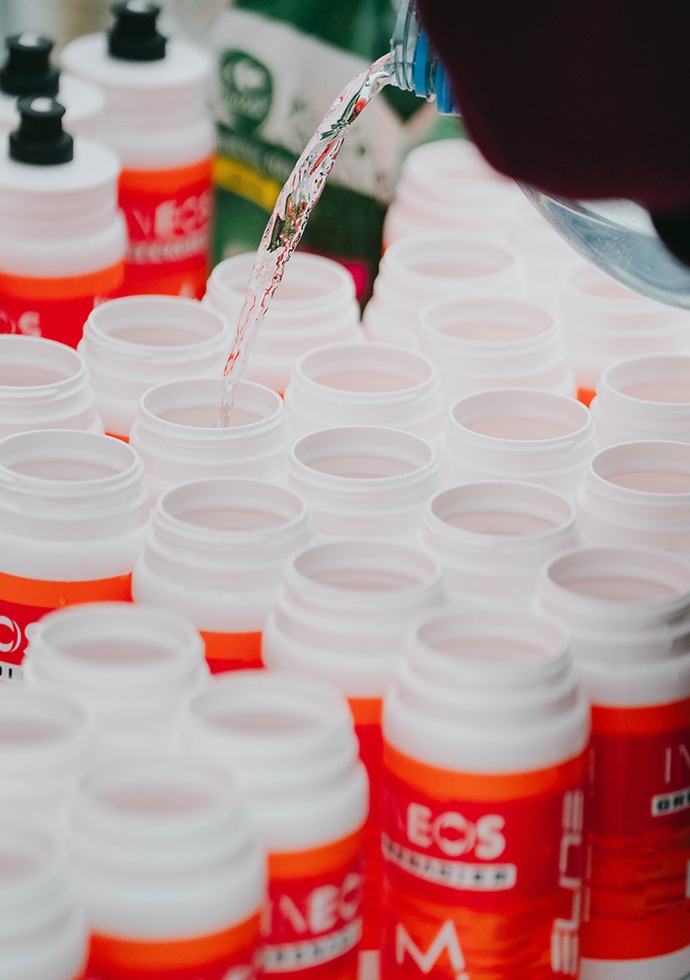
Every morning before the stage, nutritionists and doctors monitor the riders’ hydration status through urine testing. The data then guides recommendations on how much fluid each rider should consume throughout the day. Water alone is not enough: athletes who sweat heavily and rehydrate only with water can actually worsen their electrolyte balance instead of restoring it. Salts — sodium, potassium, and magnesium — must be present in the bidon.
The water bottle is not just a container — it is a tool.
In Grand Tours, the bidon is the primary vehicle for both liquid and energy intake on the move. Consistent flow, quick access, no leakage: details that, at 80 km/h on a descent or in the most intense moments of racing, make the difference between staying hydrated and failing to do so.
After the Stage: The First Minutes Matter More Than Anything
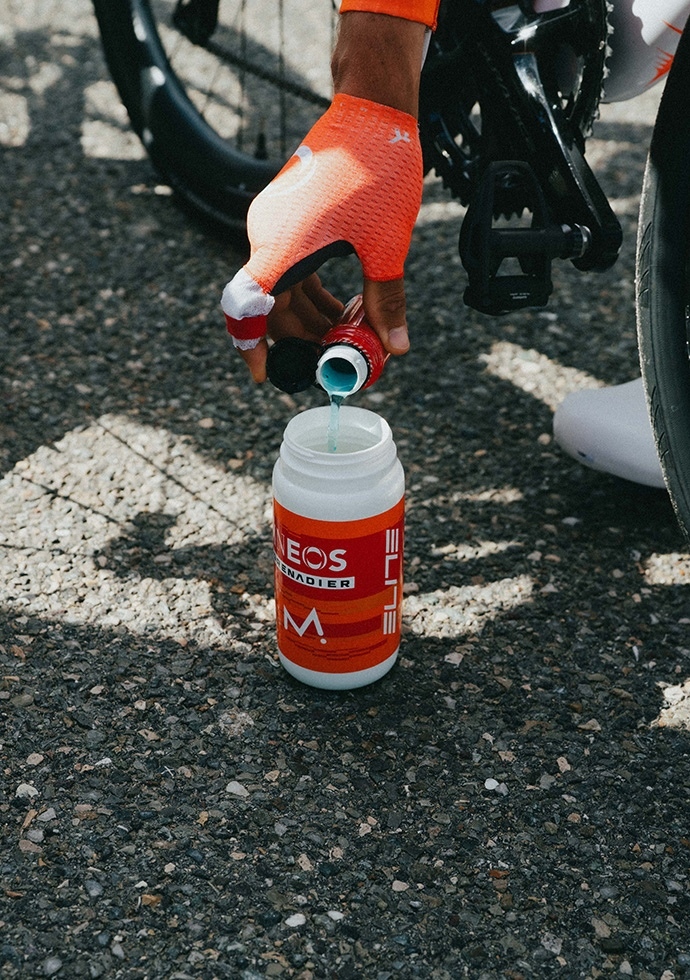
As soon as the finish line is crossed, what nutritionists call the “recovery window” opens — a period during which the body is especially receptive to absorbing nutrients. Missing it means delaying recovery and lining up for the next stage with glycogen stores still only partially replenished.
The standard protocol starts with a liquid recovery mix — carbohydrates and protein in a 3:1 ratio — followed by a proper meal that completes the day’s energy balance. For 21 consecutive evenings.
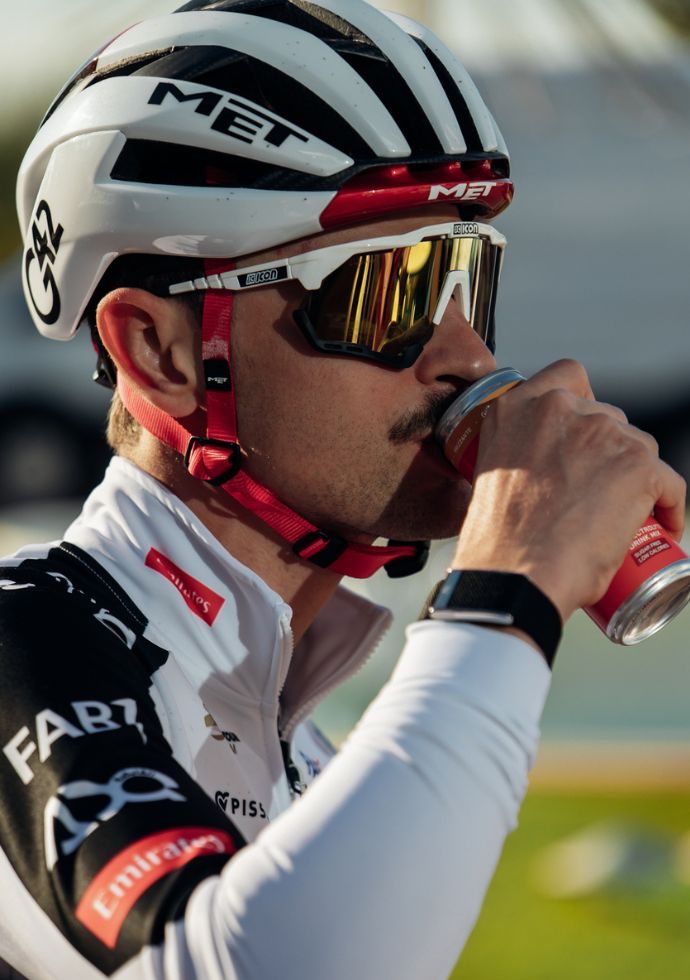
What We Can Learn from the Pros
You don’t need to race the Giro d’Italia to apply these principles. Nutrition timing, hydration with electrolytes, and the post-ride recovery window are habits that improve performance at any level. The difference between a professional rider and a well-trained amateur lies less in what they eat, and more in how often — and exactly when.
And in all of this, having the right tools — a bottle that works properly, a reliable hydration system — is not an aesthetic indulgence. It is an integral part of the plan.
